Error upgrading MDW from 2008R2 to 2012

Some months ago I posted a method to overcome some quirks in the MDW database in a clustered environment.

Today I tried to upgrade that clustered instance (in a test environment, fortunately) and I got some really annoying errors.

Actually, I got what I deserved for messing with the system databases and I wouldn’t even dare posting my experience if  it wasn’t cause by something I suggested on this blog.

However, every cloud has a silver lining: many things can go wrong when upgrading a cluster and the resolution I will describe here can fit many failed upgrade situations.

[Read More]
Moving system databases to the default data and log paths

Recently I had to assess and tune quite a lot of SQL Server instances and one the things that are often overlooked is the location of the system databases.

I often see instance where the system databases are located in the system drives under the SQL Server default installation path, which is bad for many reasons, especially for tempdb.

I had to move the system databases so many times that I ended up coding a script to automate the process.

[Read More]

Setup failed to start

Yesterday I ran into this error message while installing a new SQL Server 2005 instance on a Windows 2003 cluster:

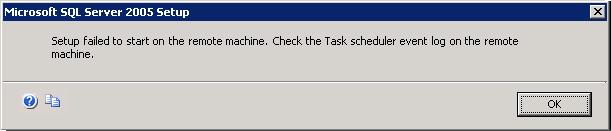
Setup failed to start on the remote machine. Check the Task scheduler event log on the remote machine.

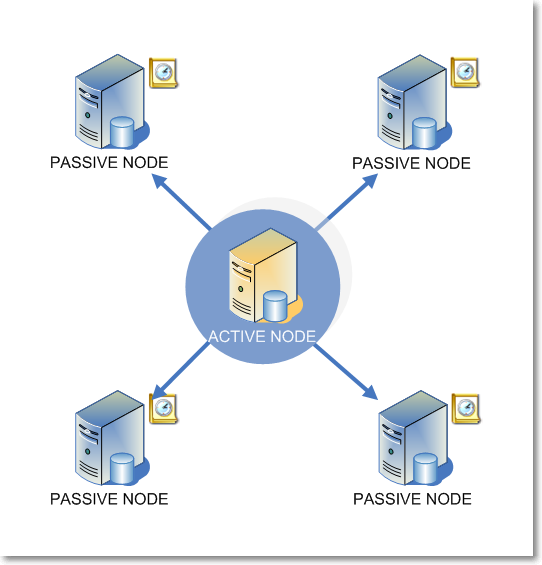
SQL Server 2005 setup, in a clustered environment, relies on a remote setup process started on the passive nodes through a scheduled task:

For some weird reason, the remote scheduled task refuses to start if there is an active RDP session on the passive nodes. This KB article describes symptoms and resolution in detail: http://support.microsoft.com/kb/910851/en-us

[Read More]

Changing Server Collation

In order to avoid collation conflict issues with TempDB, all user databases on a SQL Server instance should be set to the same collation.

Temporary tables and table variables are stored in TempDB, that means that, unless explicitly defined, all character-based columns are created using the database collation, which is the same of the master database. If user databases have a different collation, joining physical tables to temporary tables may cause a collation conflict.

[Read More]